An anion gap of 12 is often a normal range reading, but the significance depends on the lab’s reference range, the rest of your lab results, and whether you have any symptoms. In most cases, a value of 12 does not indicate a problem by itself. It is best viewed as one piece of a larger picture, especially when reviewing a blood test or serum panel that includes electrolytes.
What Is the Anion Gap?
The anion gap is a calculated difference based on the primary charged particles in your blood. It helps clinicians see whether the body is maintaining electrical balance in a way that fits normal chemistry. In plain language, it compares cations and anions to look for clues about hidden acids or other shifts in the body.
Most commonly, the anion gap is calculated from sodium, chloride, and bicarbonate. These are key parts of an electrolyte test and help show how well your body is keeping its acid and base levels in balance. Because the result is indirect, it is not a diagnosis on its own. Instead of that, it serves as a clinical clue that can point toward a metabolic problem or another underlying issue if the number is outside the expected range.
The anion gap is useful because it reflects how the body handles acids in the blood. It can help detect acid accumulation and guide the evaluation of acid and base balance. For that reason, clinicians often review it alongside serum bicarbonate, kidney function markers, and other values from the same blood panel.
What Is the Meaning of an Anion Gap of 12 Indicate?
An anion gap 12 is commonly considered expected in many medical labs. Still, the meaning depends on the specific lab reference range. Some laboratories use a range that places 12 right in the middle, while others use a different cutoff. This is why the same number can be interpreted variously depending on the report.
If your result is 12, the key question is whether it stays within that lab’s reference range. If it does, the value usually implies that there is no clear sign of a major acid imbalance from this one measurement alone. If it is near the edge or paired with other unusual lab results, the clinical meaning may differ. This is why a result should be considered in context rather than judged in isolation.
Many people search for an anion gap calculator because they want a fast answer. While that tool can help you estimate the number, the real clinical interpretation depends on the full picture: symptoms, the rest of the electrolyte panel, https://anion-gap-test178.capitaljays.com/posts/anion-gap-calculator-for-electrolyte-panel-interpretation and the possibility of a less obvious underlying cause. A seemingly normal value is comforting, but it does not replace a professional medical evaluation if you are not feeling well.
In what way the Anion Gap Is Computed
The usual anion gap formula is written as:
Anion gap = sodium - (chloride + bicarbonate)
This formula draws on the main measured ions from an electrolyte panel. Sodium is the dominant measured positive ion, while chloride and bicarbonate represent important measured negative ions or base components in the bloodstream. The result reflects the gap between what is measured and the body’s need to preserve balance.
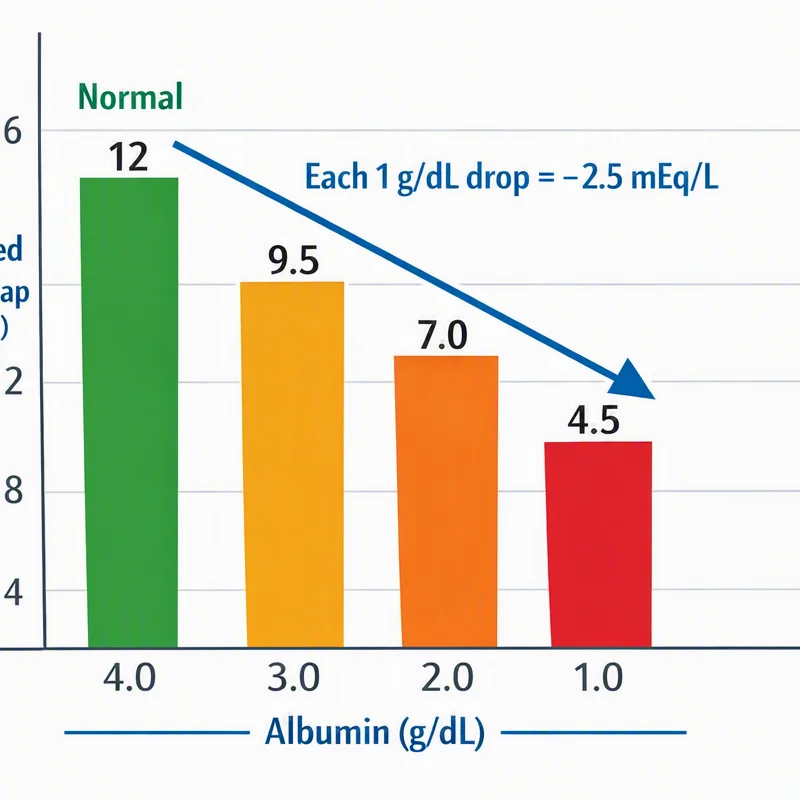
Certain versions of the calculation also consider albumin, because albumin is a negatively charged protein that affects the final number. Since albumin is not always included directly in the formula, the raw result may need albumin correction in certain situations. This is especially important if protein levels are low or if the result seems inconsistent with the person’s condition.
As the anion gap is built from routine blood chemistry values, it is often part of a broader serum panel or screening test. It does not measure one disease. Instead, it helps highlight patterns that may suggest an acid-base issue or another metabolic disorder.
Is an Anion Gap of 12 Normal?
Often, yes. An normal anion gap often includes a value around 12, but the exact meaning depends on the lab’s method and the local reference range. Different instruments and reporting styles can shift the expected number slightly, which is why lab variation matters.
The most useful way to interpret the value is through clinical interpretation. A 12 may be normal if the person feels well and other chemistry values are stable. It may be less reassuring if there are symptoms, a low bicarbonate value, or signs of electrolyte imbalance. The number is an indicator in the bigger story of acid-base balance.
Another reason a result of 12 can be confusing is that people may compare it with a different lab’s range or with online information that uses another cutoff. That can create unnecessary worry. The most accurate answer comes from the exact report, the lab reference range, and the overall pattern on the blood test.
In short, an anion gap of 12 is often a normal finding. It usually does not indicate disease by itself, but it should be interpreted along with symptoms, medication use, and related chemistry results.
What Might Cause a High/Low Anion Gap?
A higher-than-expected anion gap can point to metabolic acidosis, a condition when acids build up or bicarbonate is used up more quickly than normal. A classic cause is lactic acidosis, which can occur when tissues are receiving too little oxygen or when the body is under severe stress. Another well-known cause is ketoacidosis, where the body produces ketones and the blood becomes more acidic.
On the other hand, a low anion gap is less common and can be associated with hypoalbuminemia, because lower albumin levels lower the amount of unmeasured negative charge in the blood. It can also result from certain lab or measurement issues, though those are less frequent than a true clinical cause. In some situations, a low result points to the need for repeat testing or a closer look at the full serum panel.
Other causes of an elevated or reduced value can include changes in kidney handling of acids, shifts in chloride, or changes in the buffering system that maintains balance. Since the anion gap reflects a broader buffer system, it can move when the body is dealing with acid base stress even before symptoms are obvious.
Key points to remember include:
- A high result can suggest metabolic acidosis. Lactic acidosis and ketoacidosis are typical high-gap causes. A low result can happen with hypoalbuminemia. The complete picture is more important than a single value.
How Albumin Influence the Anion Gap
Albumin has a key role in understanding the anion gap because it carries a significant negative charge in the blood. When serum albumin is low, the measured anion gap may look lower than expected even when acid-base status is not truly normal. That is why clinicians sometimes use albumin-adjusted correction to estimate a more accurate final value.
This adjustment helps account for albumin levels that may alter the interpretation. A person with low albumin can have a “normal” raw result that actually hides an elevated gap after correction. In that case, the corrected number may reveal a more important acid-base issue than the unadjusted value.
Adjusted anion gap calculations are especially useful when there is concern for chronic illness, poor nutrition, inflammation, liver problems, or fluid shifts that affect serum albumin. The correction does not replace other testing, but it can increase the accuracy of the overall interpretation.
In practical terms, if albumin is low, the uncorrected anion gap may understate the severity of the problem. That is why a result that looks normal on paper should still be interpreted closely if the overall clinical picture suggests illness.
When You Should Speak With a Healthcare Professional
You should speak with a healthcare professional if the result does not align with how you feel, if the value is out of range for the lab’s range, or if you have concerning symptoms. Issues including vomiting, confusion, rapid breathing, severe fatigue, dehydration, or weakness may require prompt assessment. These can be signs of an electrolyte imbalance or a more serious acid-base issue.
Follow-up is also important if you have known kidney disease. The kidneys help control acids, bicarbonate, and electrolytes, so changes in kidney function can affect the anion gap and overall chemistry. Even a mild abnormality may need attention if it fits with other findings.
Sometimes the next step is simply follow-up testing. A repeat blood test may show whether the value is stable or whether it changes over time. If the result is part of a broader concern, additional testing may include kidney studies, albumin measurement, or repeat electrolytes.
Seek advice earlier if you have:
- New or increasing symptoms Known kidney disease Signs of electrolyte imbalance A result that seems out of line with your health status
Anion Gap Calculator: How to Use It
An anion gap calculator can help you calculate the value from your chemistry numbers. To use it, you typically provide the relevant input values from your blood work, including serum sodium, serum chloride, and bicarbonate. The calculator then uses the anion gap formula and shows the result.
Some calculators also let you enter albumin so you can estimate an albumin correction. This is useful when the raw result may be misleading because of abnormal protein levels. If albumin is low, the corrected number may be more meaningful than the original result.
To get the most useful estimate, ensure you use the exact numbers from your lab report. Small differences in the electrolyte panel can alter the result slightly. That is why the calculator is best used as a guide, not as a substitute for clinical interpretation.
Here is a simple way to understand it:
- Input the reported serum sodium, serum chloride, and bicarbonate values. Review whether the answer falls within the lab’s reference range. If albumin is available, see whether a corrected value alters the interpretation. Use the result as a beginning point for discussion, not a final diagnosis.
An anion gap calculator is especially helpful when you want to understand whether a result of 12 is truly normal or simply normal for that specific lab. It can also help show whether a different number may suggest an acid-base problem.
Frequently Asked Questions
What is considered a normal anion gap?
A normal range depends on the laboratory, but many results around 12 are considered normal. The best reference is the lab’s own reference range, since methods and reporting styles can differ. A value that is normal for one lab may be different enough in another.
Does an anion gap of 12 mean anything is wrong?
Usually not by itself. An anion gap 12 is often a normal finding and may simply reflect ordinary blood chemistry. It becomes more meaningful only when paired with symptoms, abnormal bicarbonate, or other changes on a blood test.
What causes a high anion gap?
A high result can be a sign of metabolic acidosis. Common causes include lactic acidosis and ketoacidosis, though there are others. A clinician uses the result as one part of the overall clinical interpretation and looks for the underlying cause.
Can low albumin affect the anion gap?
Indeed. Low albumin can reduce the measured gap, which is why albumin correction may be needed. In people with hypoalbuminemia, the raw number can appear normal even when the corrected anion gap tells a different story.
How do I use an anion gap calculator?
Provide the input values from your serum panel, especially serum sodium, serum chloride, and bicarbonate. If available, enter albumin to calculate a corrected result. The tool can help explain the anion gap meaning, but a healthcare professional should assess the result in context, especially if there is concern for an acid-base disorder or electrolyte imbalance.