What Is the Anion Gap?
The anion gap is a computed figure that helps medical professionals understand serum electrolytes and assess a person’s acid-base balance. It is not directly measured on a blood test; instead of that, it is calculated from common lab values such as sodium, chloride, and bicarbonate. Because it represents the difference between the main measured cations and measured anions, the anion gap can act as a useful diagnostic clue when evaluating a possible metabolic disturbance.
At its core, the anion gap helps identify the presence of unmeasured anions and, indirectly, unmeasured cations in the blood. These values matter because changes in the balance of charged particles can signal a problem in acid-base status. For that reason, the anion gap is often used as a initial screening test during a medical assessment for fatigue, confusion, rapid breathing, nausea, or other patient symptoms that may point to an electrolyte or acid-base problem.
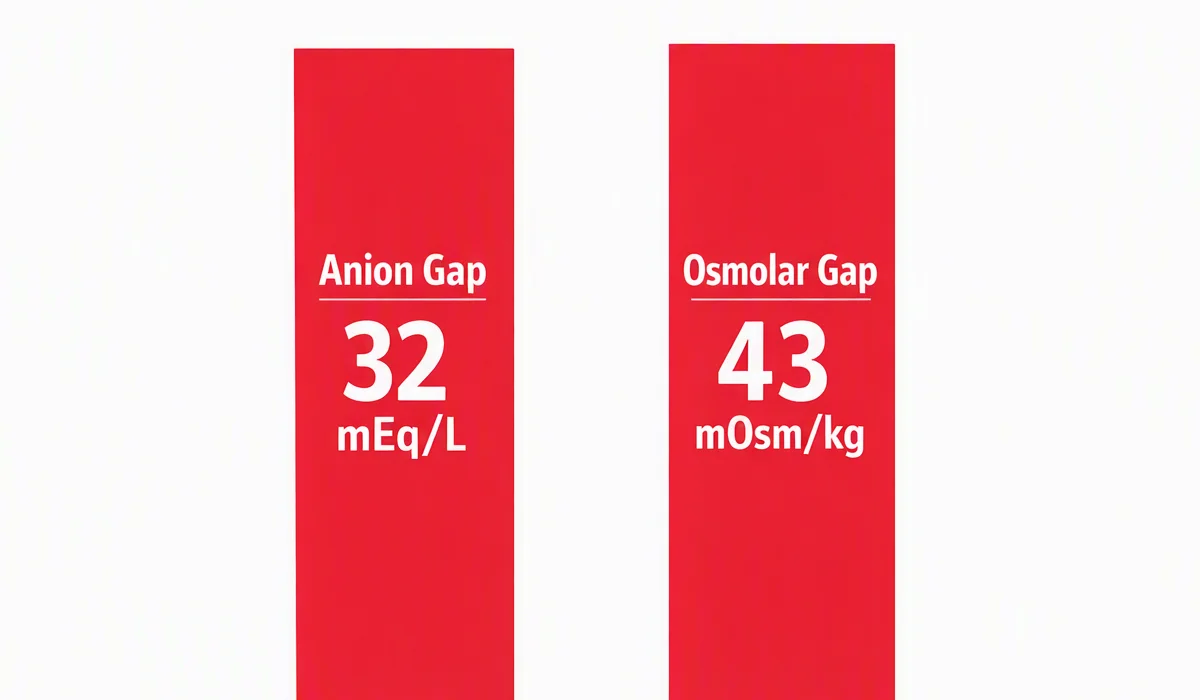
Although the calculation is simple, the clinical significance depends on the full context. A single anion gap value is not enough to diagnose a condition on its own. Instead, clinicians look at the full electrolyte panel, the person’s symptoms, and other lab findings to support interpretation.
What Is the Typical or Safe Anion Gap Range?
The term safe anion gap range usually means a value that is within the expected reference range for that testing facility and does not suggest a major disturbance. In most cases, the normal anion gap is regarded roughly 8 to 12 mEq/L when potassium is not factored in, though the exact reference interval can change based on the lab method and the analyzer used.
When potassium is added in the calculation, the reference values may appear slightly higher. That is why “normal” is not a universal number. The best way to determine whether a result is safe is to check it to the lab’s stated range and to review the person’s overall condition. The serum bicarbonate level is notably important, because it helps show whether an acid-base disorder is present even when the anion gap itself seems borderline.
In practical terms, a value within the lab’s stated reference range is generally comforting. A mildly outside result may not be dangerous by itself, but it can still be clinically meaningful if it fits with other abnormalities. The most important idea is that “safe” means the result does not suggest an urgent, unexplained disruption in acid-base balance or a major hidden process that needs timely evaluation.
A normal result does not always mean “nothing is wrong,” and an abnormal result does not always mean “danger.” The meaning depends on the full clinical picture.
Calculating the Anion Gap
The formula for anion gap is usually:
Anion gap = sodium − (chloride + bicarbonate)
Certain laboratories also include potassium, but the typical clinical approach uses sodium, chloride, and bicarbonate. The formula compares the main measured cations and measured anions in the bloodstream. Because sodium is the chief measured cation and chloride and bicarbonate are primary measured anions, the difference helps estimate the amount of additional ions that are not routinely listed.
An Anion Gap Calculator can make this calculation fast and reduce the chance of arithmetic errors. These tools are especially useful when you are checking multiple lab results, monitoring trends, or trying to understand whether a value is within the expected expected range. A calculator can also support faster interpretation when looking at an lab panel during a patient assessment.
To use an Anion Gap Calculator, you typically input the measured sodium, chloride, and bicarbonate values from the lab report. The result helps identify whether there may be extra hidden anions in the blood, which can point toward a particular acid-base issue. This is why the anion gap is often treated as a helpful diagnostic clue rather than a standalone diagnosis.
Note that lab methods differ. Different analyzers, sampling conditions, and albumin levels can change the result slightly. That is one reason the test results should always be evaluated in context rather than in isolation.
What Does It Mean When a Raised Anion Gap Mean?
A raised anion gap often suggests there are additional acids or other unmeasured anions in the blood. This often indicates metabolic acidosis, a condition where the body has more acid than normal or too little base. A high value is not a diagnosis by itself, but it can be an useful indicator that something is affecting acid-base status.
Common causes of a high anion gap include lactic acidosis and ketoacidosis. Lactic acidosis can occur when the body produces excess lactate, often during critical illness, reduced oxygen delivery, or intense metabolic stress. Ketoacidosis can happen when the body rapidly breaks down fat and produces ketones, which can reduce bicarbonate levels and raise the gap.
Other causes may include certain toxins, major organ dysfunction, or marked changes in metabolism. In each case, the rise in the anion gap reflects a metabolic disturbance that changes the balance of charged particles in the blood. The result is often paired with a low bicarbonate level, which also supports a diagnosis of metabolic acidosis.
What matters most is whether the high anion gap aligns with the person’s patient symptoms and other lab findings. Breathlessness, vomiting, confusion, weakness, or dehydration can all increase concern about the result. A high value should lead to a careful clinical interpretation, especially if the cause is not already known.
What Does a Low Anion Gap Indicate?
A reduced anion gap is https://anion-gap-chart724.iamarrows.com/how-alcoholic-ketoacidosis-alters-the-anion-gap not as common than a higher result, but it can still be significant. One frequent explanation is hypoalbuminemia, which means albumin is less than normal. Because albumin is a negatively charged protein, decreased levels can lower the gap even if the person does not have a major acid-base problem.
Another possible explanation is lab error. Since the anion gap is derived from other lab values, a slight error in any of those measurements can alter the final number. Rechecking the test is often part of the subsequent evaluation when the result does not match the rest of the picture.
A low result can also appear in certain medical conditions, including multiple myeloma, where abnormal proteins in the blood may shift the balance of ions. In this setting, the low number is not the disease itself, but a clue that something unusual may be affecting the blood chemistry.
Similar to a high result, a low gap should be interpreted in context. The question is not simply whether the number is under the range, but whether it reflects a true shift in the body’s chemistry or a testing issue. That is why review of the full lab values and any related blood test results is so important.
Factors Able to Affect the Anion Gap
Many factors can alter the anion gap even when the underlying cause is not obvious. Among the most important is albumin. Because albumin carries a negative charge, changes in albumin can greatly affect the anion gap. This is why clinicians sometimes use albumin correction when trying to assess a result more accurately.
Kidney disease can also alter the gap because impaired kidney function can decrease the body’s ability to clear acids and maintain balance. As acid accumulates, the result may rise, especially if the condition contributes to an acid-base disorder. In these cases, the anion gap can help point toward a broader electrolyte imbalance or metabolic problem.
Variations in sodium, chloride, and bicarbonate can also alter the result. If chloride rises, the gap may fall. If bicarbonate drops, the gap may rise. These shifts are why the anion gap is best viewed as part of the whole electrolyte panel rather than as an isolated number.
Other possible causes include dehydration, medication effects, specimen handling, and hidden changes in serum electrolytes. When the number does not fit the expected pattern, clinicians look for correlation with the rest of the chemistry panel, the clinical significance of the finding, and whether the result matches the person’s symptoms or diagnosis.
In summary, the anion gap is a useful marker of acid-base balance, but it is responsive to many variables. Understanding those variables improves interpretation and reduces the chance of responding too strongly to a minor change or missing an important one.
When to Get Medical Advice
You should seek professional care if an unexpected anion gap appears on a blood test and you also have concerning symptoms. These may include confusion, extreme weakness, fast breathing, repeated vomiting, chest pain, fainting, or evidence of dehydration. Such symptoms may indicate a serious metabolic acidosis or another urgent problem that needs prompt medical assessment.
Emergency care may be necessary if symptoms are severe, if the person appears critically ill, or if a clinician suspects a life-threatening acid-base problem. A elevated or decreased result alone does not always mean danger, but it can be a red flag when paired with acute symptoms, abnormal vital signs, or a major electrolyte imbalance.
Result interpretation should always include the full context: the reference range, the rest of the lab panel, medications, long-term medical history, and whether the patient may have kidney disease or another condition affecting acid-base status. An Anion Gap Calculator can help with the numerical calculation, but it cannot replace professional judgment.
If the result looks unusual, the next step is often repeat testing or a more detailed review of the underlying cause. The anion gap is a helpful screening test, but the meaning of the result depends on whether it matches the person’s overall condition and whether there is evidence of a true acid-base disorder.
Frequently Asked Queries
What is considered a normal anion gap range?
A safe anion gap interval is usually one that is within the lab’s stated reference range. In many cases, a normal anion gap is about 8 to 12 mEq/L without potassium, but exact values can differ by laboratory and method. The best assessment is to compare the result with the lab’s own reference interval and review it alongside bicarbonate, albumin, and other lab values.
Can a high anion gap always worrisome?
Not necessarily. A high anion gap can be an significant clue to metabolic acidosis, lactic acidosis, or ketoacidosis, but the level of concern depends on the cause, the size of the change, and the person’s patient symptoms. It becomes more concerning when it is clearly outside the expected range or when it appears with other abnormal blood test findings.
Does albumin affect the anion gap?
Certainly. Albumin is a major factor in the anion gap because it carries a negative charge. Low albumin can lead to a low anion gap even if there is no major acid-base problem. This is why albumin correction is often considered during interpretation.
What can cause the anion gap be low?
A low anion gap may happen because of hypoalbuminemia, lab error, or conditions such as multiple myeloma. It can also reflect shifts in measured electrolytes or other changes in the blood chemistry. Because the result can be influenced by multiple factors, repeat testing and broader clinical review are often needed.
What is the way to use an Anion Gap Calculator?
An Anion Gap Calculator uses the anion gap formula to compute the result from sodium, chloride, and bicarbonate values. You enter the numbers from the blood test, and the tool returns an anion gap value that can be compared with the lab’s reference range. It is a practical aid for interpretation, but it should be used with the full electrolyte panel and not as a substitute for professional clinical significance review.